About Fenestra
AI Workspace For Architects and Interior Designers
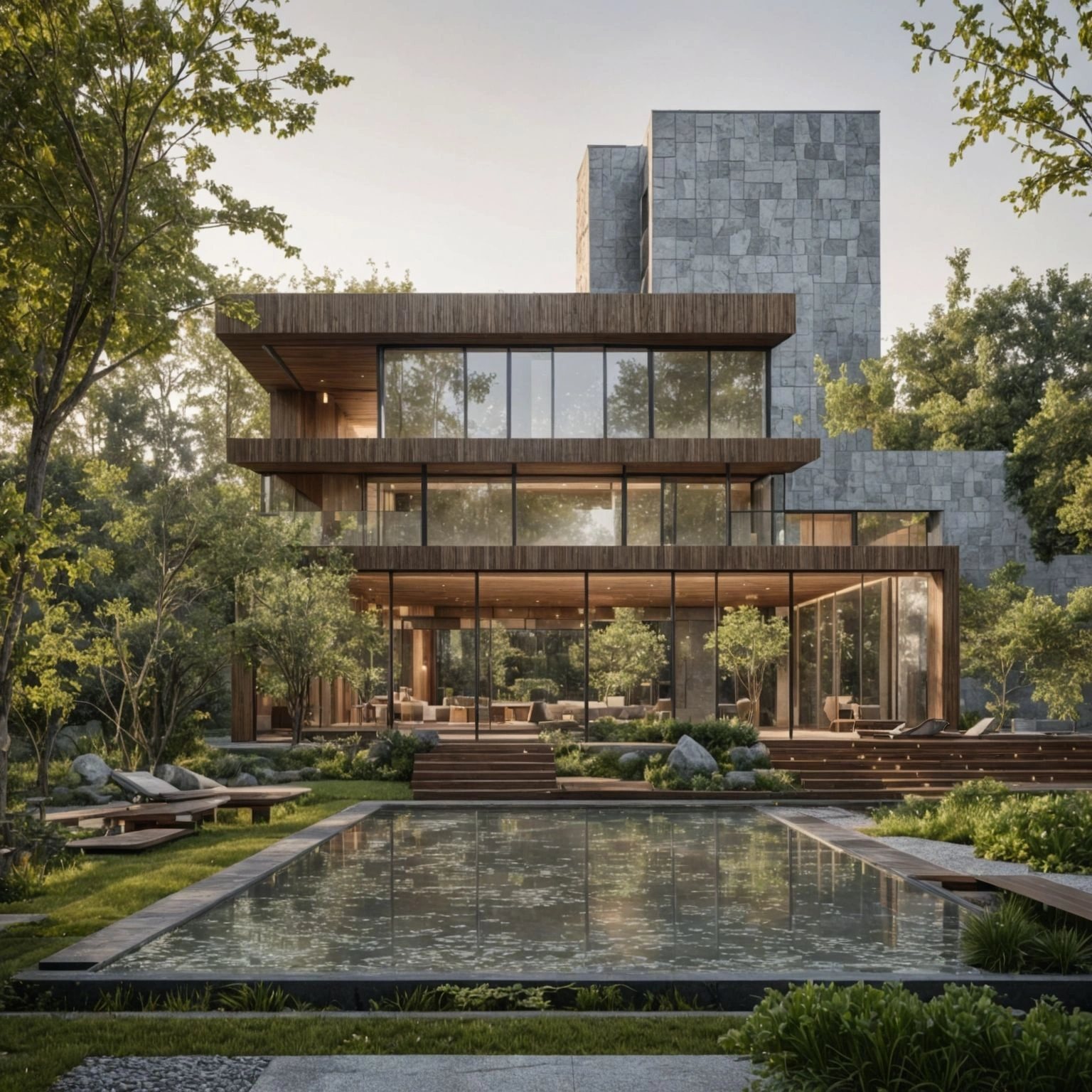
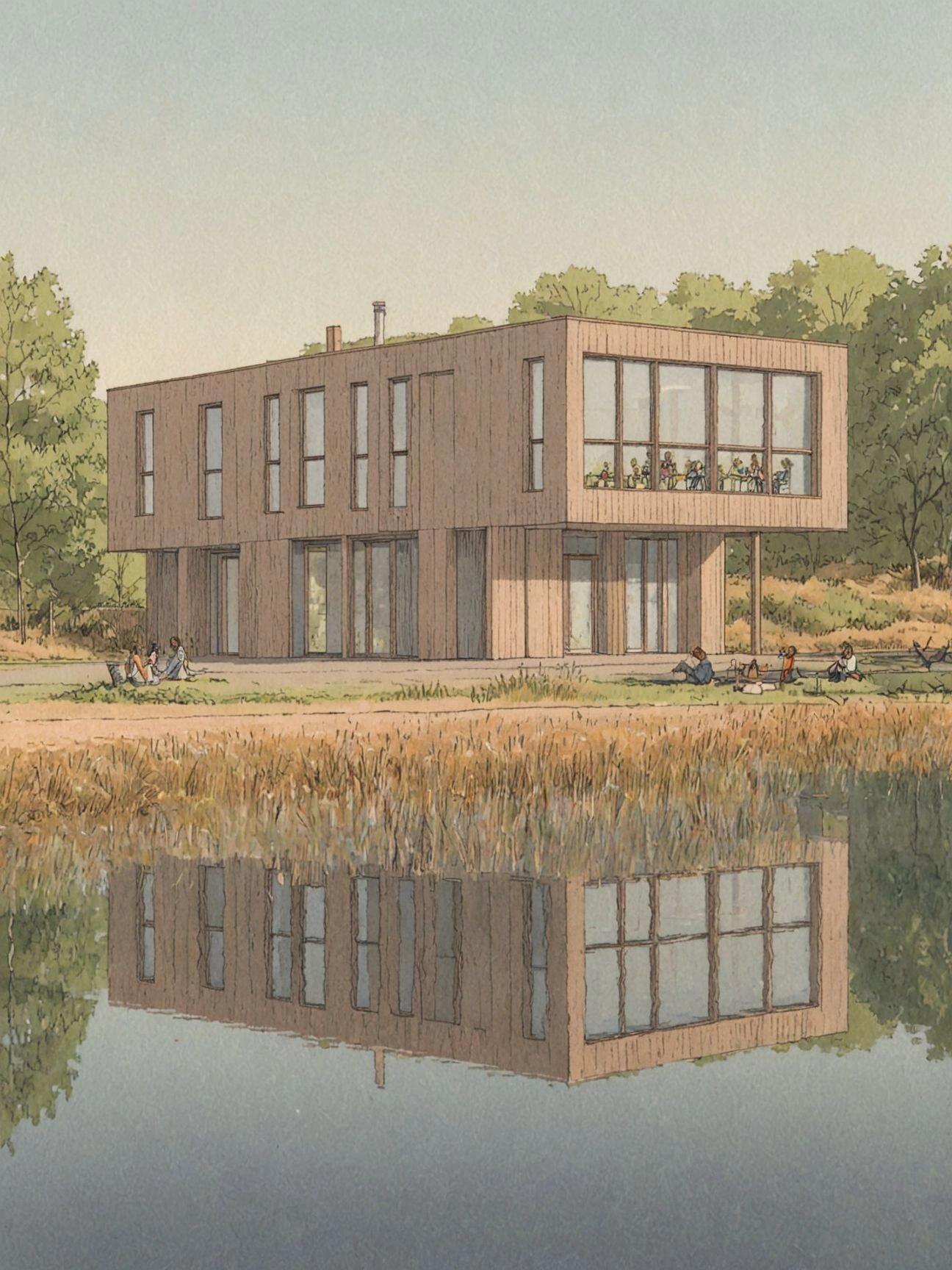
Fenestra is an AI creative studio for architects and interior designers. It turns sketches, elevations, CAD exports, 3D models, and site photos into presentation-grade renders and animations, with the control a professional needs to make the result look like their work, not the algorithm's. Founded by Shaun McCallum, a Scottish architectural designer, Fenestra is based in the UAE and used by practices and property teams including apoprojekt, Urbane Homes, and VAPF. More than 20,000 architects and designers in 180+ countries have created over 200,000 designs with it.

- renders created
- 200K+
- architects & designers
- 20,000+
- countries
- 180+
- person teams on board
- 30+
renders created
architects & designers
countries
person teams on board

Why we built this
Fenestra AI was built to make AI genuinely useful to architects and interior designers. When Stable Diffusion was released, AI generation stopped being a curiosity and started looking like it could serve real professional work. Shaun took his years inside architecture practices (HASSELL, John Wardle Architects) and his technology experience at Meta Reality Labs, and started building the tool the profession would actually use.
Fenestra is built on a simple premise: the render is part of the design work. We hand-pick the strongest image and video models for architectural work and wrap them in professional control: natural-language editing, the full range of studio inputs, and output quality you'd put in front of a client. The work that leaves your studio should still look like it came from your studio.
The name, Fenestra AI, comes from the Latin for window: the window between your design and how the world sees it.
Built for spatial design
Trusted by global teams.


- 20,000+architects & designers
Built from the drawing board up

Shaun is a Scottish architectural designer and the founder of Fenestra, an AI rendering platform for architects and interior designers.
In architecture he has practised at HASSELL and John Wardle Architects, worked on AR/VR at Meta Reality Labs, and co-founded iheartblob, an experimental architecture collective known for its explorations into mixed reality and digital design.
He has taught at UCLA's School of Architecture and Urban Design, and his work has been exhibited internationally at institutions including the V&A Museum, MAK Vienna, and the Tallinn Architecture Biennale, where he co-designed the world's first blockchain-enabled pavilion.
That background is the point. Fenestra's decisions (which models to use, which controls matter, what “finished” looks like) are made by someone who has sat on your side of the desk, preparing visuals a client will judge. One founder, 20,000+ professionals rendering.
From our customers
In use at practices and schools worldwide
Architects, designers and property teams on how Fenestra fits into their work.
“Great tool for initial concepts. We provide new house and land packages and use Fenestra to update external colour scheme facade renders and floor plans for marketing purposes. Fenestra is a quick way to provide the images to clients to visualise their new home.

“Fenestra is a great tool and works really well for us. We’re using it to help establish a new internal standard for visualisation across the office, making it easier for high-quality visuals to become part of our standard project package.

“What sets Fenestra apart is the people behind it. The team is always available, genuinely listens to user needs, and provides a level of support that is responsive, approachable, and highly professional.Read their story

What we believe
Your renders should look like you.
A practice's visual identity is an asset. Tools that flatten every firm into the same aesthetic are spending that asset for you.
Realism is the floor, not the finish line.
Any model can make a photoreal image now. The work is in the drawing: composition, atmosphere, intent. Fenestra is built for that part.
Control beats luck.
A professional tool should behave like a studio, not a slot machine. Edit in plain language, keep what works, change only what you mean to change.
Every stage of the project deserves good images.
From napkin sketch to planning submission to client sign-off: sketches, elevations, CAD, 3D models, and photos in; presentation-grade renders and animation out.
Where we're heading
Fenestra is becoming the AI studio for architecture and interior design: one workspace combining generative models, AI agents, and collaborative tools across the whole design-and-presentation workflow, with the privacy and security a professional practice expects.
Past that sits the destination we care most about: renders that carry your studio's signature by default. Your materials, your light, your mood. Not a style preset, your style. Everything Fenestra ships today, from the editing control to the output quality, is the foundation it sits on.